
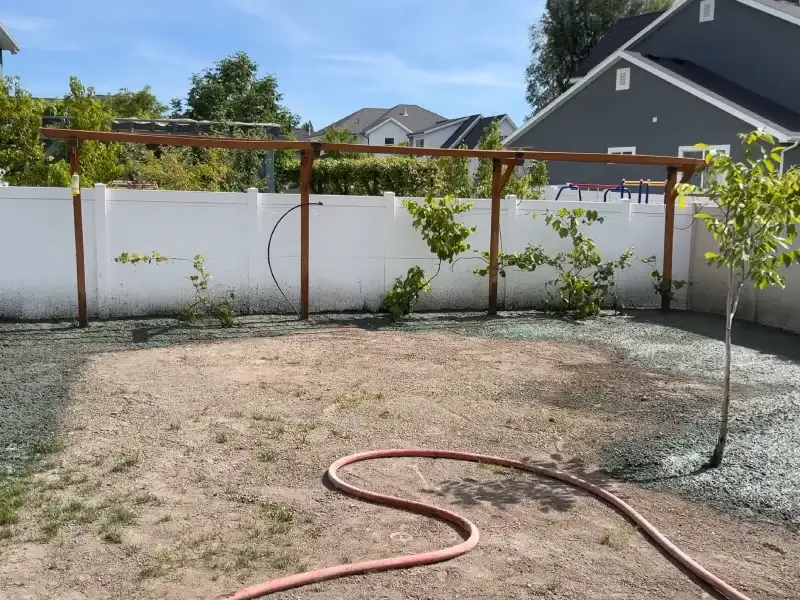
Hydroseeding vs. Traditional Seeding: Which is Right for You?
When it comes to creating a beautiful, lush lawn, homeowners often face a common dilemma: Should I choose hydroseeding or traditional seeding? Both options can result in a vibrant lawn, but they each come with their own advantages and considerations. In this article, we’ll compare the two methods and help you decide which is the best choice for your lawn care needs.
So, what’s the difference between these two lawn care techniques? Let’s dive in!
What is Hydroseeding?
Hydroseeding is a modern lawn care method that involves spraying a mixture of water, mulch, seed, and fertilizers onto the soil. This technique is highly effective for creating uniform grass growth, especially over large areas or uneven terrains. The mixture is applied using a special machine, allowing it to adhere to the soil and create an ideal environment for seeds to germinate and grow quickly.
Sounds good, right?
What is Traditional Seeding?
Traditional seeding, also known as broadcast seeding, involves spreading grass seed by hand or with a seeding machine. The seeds are scattered directly onto the soil and typically require regular watering to promote germination. While this method is widely used and inexpensive, it can take longer for the seeds to sprout, and the results might not always be as uniform as hydroseeding.
Now, let’s compare these two methods to help you decide which one is best for your yard.
1. Cost: Hydroseeding vs. Traditional Seeding
When it comes to cost, traditional seeding is often the more affordable option upfront. Since you’re simply purchasing seed and spreading it, the material cost is lower. However, the labor involved and the time it takes for the grass to grow can increase your costs in the long run. Plus, with traditional seeding, you may need to reseed certain areas that didn’t take well, adding to the overall expense.
On the other hand, hydroseeding typically costs more per square foot than traditional seeding. However, it’s a great investment because it can save you time and money in the long term. Hydroseeding leads to quicker, more consistent growth, which means less time spent on maintenance and fewer chances for bare patches that need to be fixed.
Which is more cost-effective? While hydroseeding is pricier initially, you may save money by reducing the need for repeated seeding or excessive maintenance later on.
2. Speed of Growth: Hydroseeding vs. Traditional Seeding
Here’s where hydroseeding truly shines. With its special mixture of water, mulch, and seed, hydroseeding promotes faster germination. The mulch helps protect the seeds from wind, rain, and sun, while also keeping the soil moist, which speeds up the growth process. In most cases, you can expect to see grass starting to grow in about 7 to 14 days after hydroseeding. Within 3 to 6 weeks, your lawn should be well-established and lush.
With traditional seeding, the process takes much longer. The grass typically takes 2 to 3 weeks to begin sprouting, and it can take months before your lawn is fully established. The growth is also often uneven, leading to patches where grass may not grow as well.
So, if you’re in a hurry to enjoy your new lawn, hydroseeding is likely your best bet.
Sounds good, right?
3. Consistency of Results: Hydroseeding vs. Traditional Seeding
One of the biggest advantages of hydroseeding is the uniformity it offers. Because the mixture is sprayed evenly over the soil, it ensures consistent seed coverage, which leads to even grass growth. Hydroseeding also reduces the chances of erosion and runoff, which can be problematic with traditional seeding, especially on slopes or areas with poor drainage.
Traditional seeding doesn’t offer the same level of consistency. When you scatter seeds by hand or with a broadcast machine, it’s challenging to get an even distribution, which can lead to bare patches and uneven growth. Additionally, rain or wind can wash away the seeds, especially if they haven’t been properly watered or mulched, which means you might end up reseeding.
If you’re looking for a lush, even lawn, hydroseeding is the way to go.
4. Maintenance: Hydroseeding vs. Traditional Seeding
Both hydroseeding and traditional seeding require proper maintenance to thrive. After hydroseeding, it’s important to water the lawn consistently to keep the seeds moist until they germinate. Once the grass is established, it requires less water and maintenance compared to traditional seeding. The mulch layer in hydroseeding acts as a natural weed deterrent, reducing the need for weed control.
Traditional seeding, on the other hand, requires more frequent watering and may need additional care, especially in areas with poor soil or heavy foot traffic. Weeds can also become a significant problem with traditional seeding if not properly managed.
The good news is that, once your lawn is established with either method, both require regular mowing and occasional fertilization to keep your lawn looking its best. However, hydroseeding’s faster and more consistent growth means less time spent maintaining it.
5. Best Use Cases: Hydroseeding vs. Traditional Seeding
Now, you might be wondering, which method is best for me? It all depends on your specific needs!
- Hydroseeding is ideal for large areas, commercial properties, or uneven terrains. If you have a large lawn, a new development, or a steep slope, hydroseeding is a great option. It’s also perfect for homeowners looking for a faster way to get a beautiful, green lawn without waiting months for results. It’s also great for repairing lawns that have been damaged by drought or heavy traffic.
- Traditional Seeding is best suited for smaller projects, such as small lawns or areas where you want to keep costs low. It’s a good option for homeowners with smaller budgets or for those who aren’t in a rush to get their lawn up and running quickly.
6. Environmental Impact: Hydroseeding vs. Traditional Seeding
You might be thinking about the environmental impact of both methods. Well, here’s the scoop:
- Hydroseeding is actually an environmentally friendly choice. The mulch and additives used in hydroseeding help to conserve moisture, reducing water waste. Additionally, because it helps prevent erosion, it can be especially useful in areas prone to soil loss, like slopes and hills.
- Traditional Seeding can result in soil erosion, especially in areas that experience heavy rainfall. The seeds are more exposed, which can cause them to wash away, leading to uneven growth and the need for more reseeding.
So, if you’re concerned about protecting the environment and promoting sustainable lawn care, hydroseeding might be the more eco-friendly option.
Which Method is Right for You?
At the end of the day, both hydroseeding and traditional seeding have their pros and cons. If you’re looking for a cost-effective, slower process with less maintenance, traditional seeding might be your choice. But if you’re looking for faster results, more uniform grass growth, and less maintenance, hydroseeding is the way to go.
Still unsure? Consider your lawn size, budget, and the speed at which you want results. Hydroseeding offers a quicker, more consistent solution, especially for larger properties, while traditional seeding is a more affordable, though slower, option for smaller lawns.
Sounds good?
No matter which method you choose, the right lawn care company can help you get the results you want. If you’re in Odessa, reach out to us for more information about how hydroseeding can transform your lawn. We’re here to help make your lawn the best it can be.
